2026年的第一个月即将进入尾声。趁着新年的劲头还没过,我用 Google 的 Antigravity 开发了一个记录每日作息的小软件。初衷很简单:想看看通过数据化的追踪,能否“强迫”自己养成或改善一些习惯。
理论上这绝对行得通。如果你看不见时间是如何被消费的,你可能永远意识不到现状有多糟,或者已经变得多好。围棋里这叫“复盘”,软件工程里叫“Retrospective(回顾)”——这些词的存在,本身就说明了反思的力量。
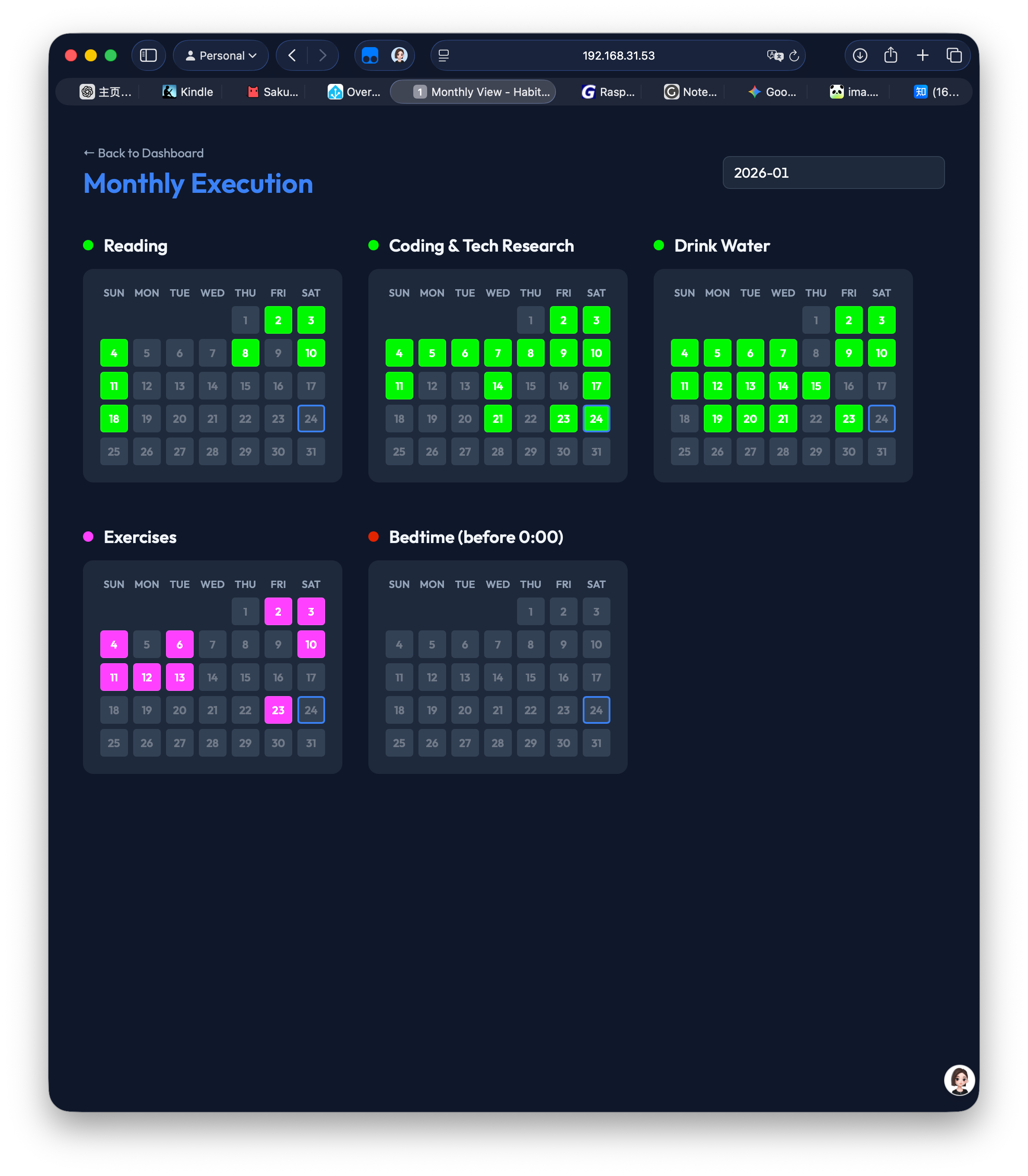
从目前的趋势看(虽然才 24 号),结果已经很明朗了:除了“喝水”达标,其他项目基本全线溃败。尤其是最后一项“早睡”,大概率是要宣告失败了。这其中既有工作性质的无奈,也有个人坏习惯的“加成”。
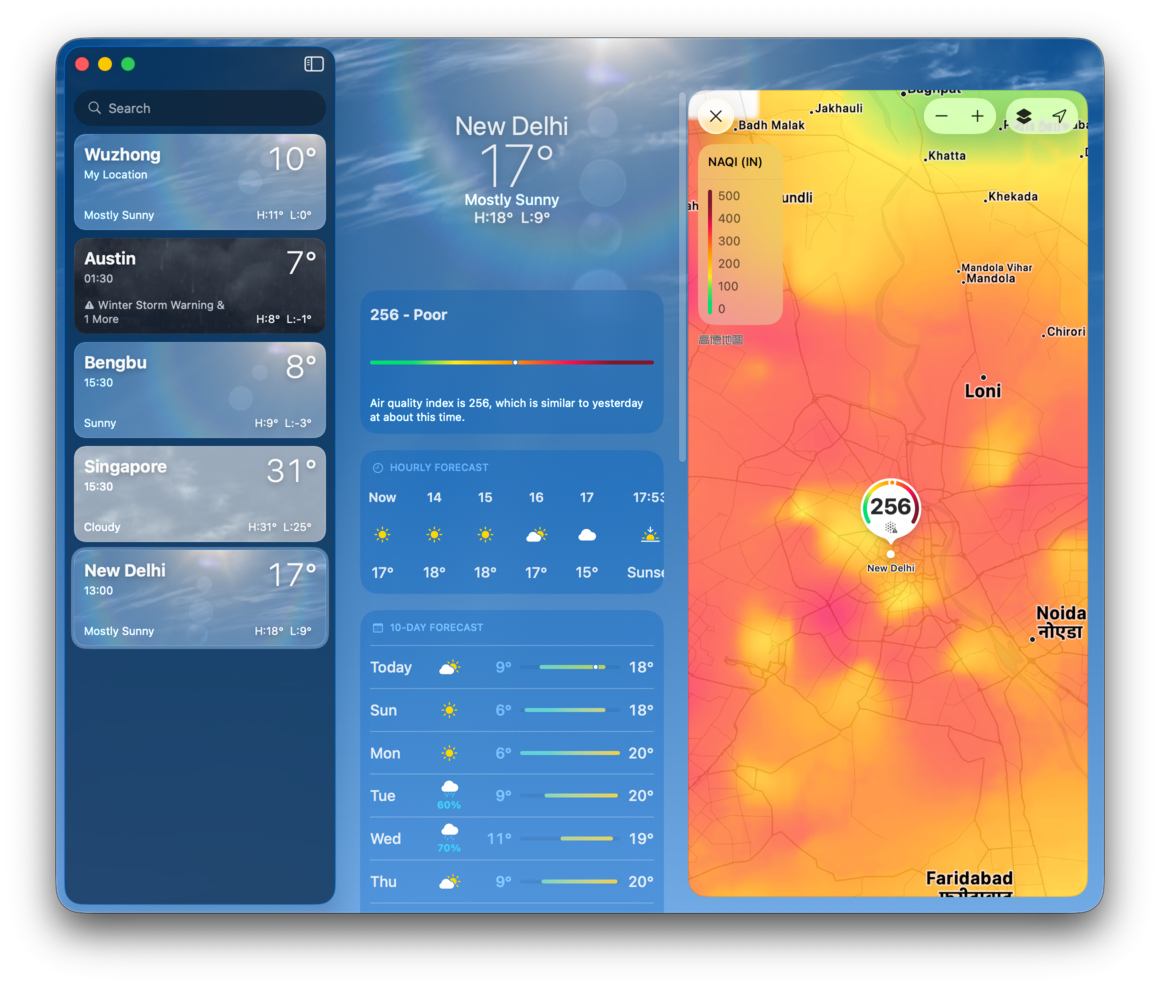
为了心理平衡,我给自己编造了一个完美的借口:其实我是在按“新德里时间”生活,这么一想,我的作息简直规律得不行。甚至为此我还开始关注新德里的天气,只能说一言难尽——今天 AQI 256,近一个月基本都在 300 到 550 之间徘徊。
行吧,扯远了。复盘就到这里,习惯还得继续磨合。
As January winds down, I decided to capitalize on that lingering "New Year, New Me" energy. I built a lightweight routine tracker using Google’s Antigravity to see if some hard data could "brute-force" me into better habits.
The logic is sound: you can’t fix what you can't measure. In Go, we call this replaying the match; in Agile, it’s a Retrospective. Whatever the name, the principle remains: without visibility into how you spend your time, you're just guessing.
The data so far (as of the 24th) is... sobering. Aside from "Hydration," I’m basically failing across the board. "Early Bedtime" is a particularly lost cause—a mix of work-life reality and my own lack of discipline.
To cope with the guilt, I’ve rebranded my schedule as "New Delhi Standard Time." Suddenly, my late-night habits look incredibly punctual. I’ve even started tracking New Delhi’s AQI to fully lean into the bit. It’s pretty grim—today’s 256 feels like a win compared to the 300-550 range it’s been hitting lately.
Anyway, enough rambling. The retro is over. Back to the grind—and maybe some habit-tweaking.